Webinar: Climate-Resilient Cattle Barns
When temperatures rise, Heat stress For dairy cows, this quickly becomes a real management issue – with consequences for well-being, feeding behavior, and performance. The webinar "Climate-Resilient Cattle Barns," which WOERLE organized together with the Austrian Association for Agricultural Engineering and Forestry (ÖKL), focused on this topic. animal Health and practical measures, which can noticeably improve the stable climate.
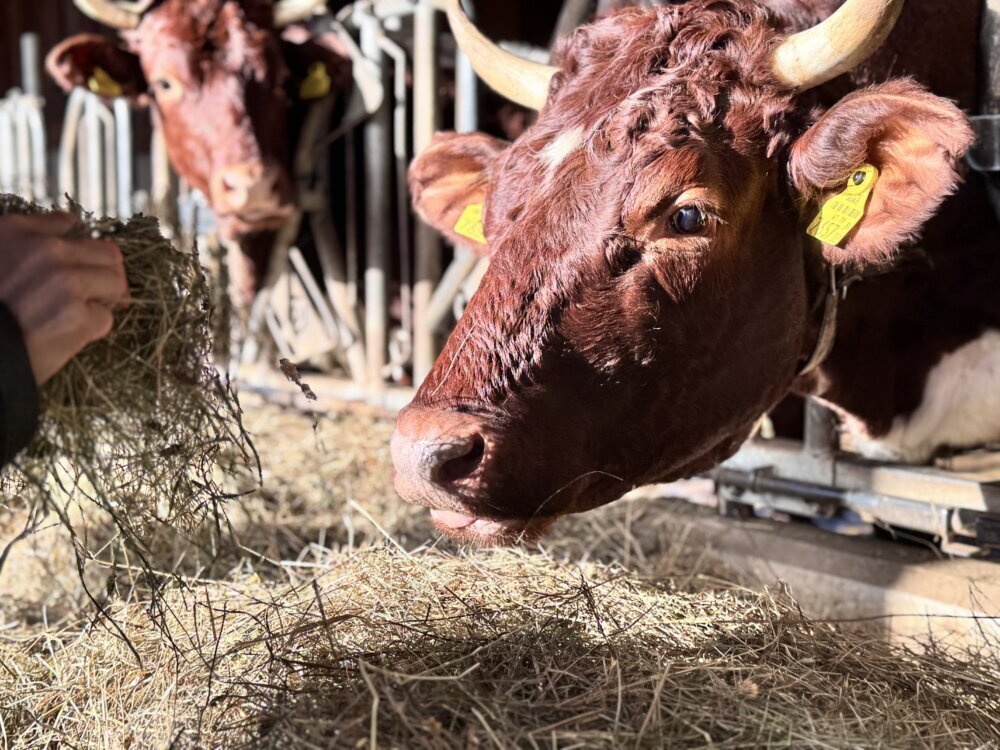
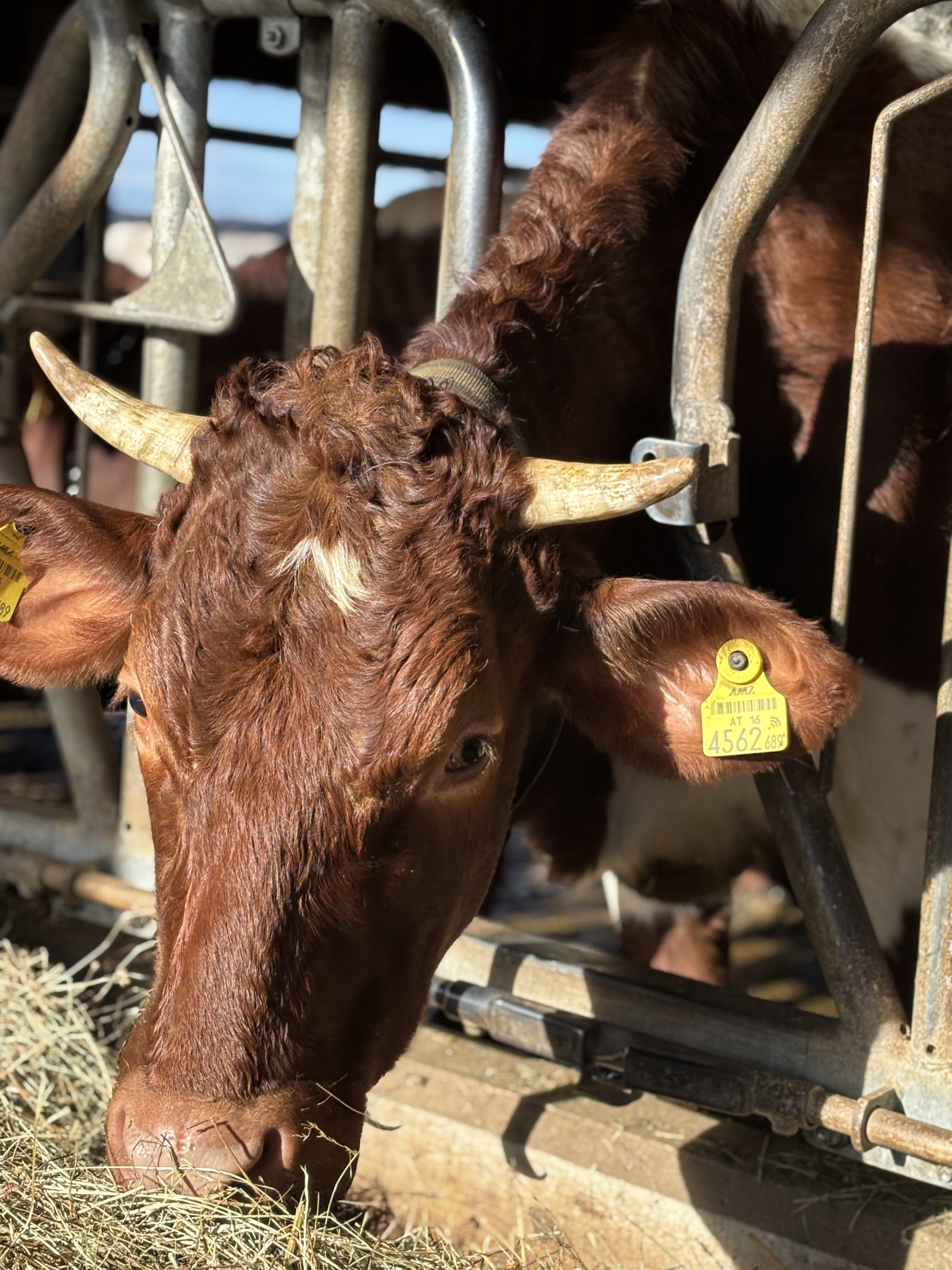
When temperatures rise, not only humans but also dairy cows reach their limits. Cows are considered cold-weather animals and feel more comfortable at significantly lower temperatures than many other farm animals. Prolonged heat waves and warm nights make it increasingly difficult for them to cool down sufficiently. As a result, heat stress is becoming a recurring issue for many farms, rather than an exception.
With the webinar “Climate-Resilient Cattle Barns”, WOERLE, together with the ÖKL (Austrian Board of Trustees for Agricultural Engineering and Rural Development) addressed precisely this development. The central question was what effects heat has on the health and performance of cattle and what measures in the barn can effectively relieve the animals.
Heat stress affects all aspects of daily farm operations. It impacts the animals' well-being, feeding behavior, and performance, thus placing high demands on barn climate control, housing systems, and daily management. For many farms, it is therefore becoming increasingly important to view barn climate not only as a structural issue, but also as part of proactive animal care.
The webinar clearly explained these connections. Participants gained insight into the concrete consequences of heat stress and learned where measures can be taken to improve the barn climate. The event thus combined expert knowledge with solutions relevant to everyday farm life.
With Dr. Erika Gusterer from Animal Health Austria and Ing. Irene Mösenbacher Two experts were on the agenda, each illuminating animal health and barn climate from different perspectives. This very combination makes the topic particularly valuable for farms. Good solutions often arise where health knowledge, observation, and practical implementation converge.
WOERLE has been supporting its partner farms for years with courses, webinars, and practical workshops that address specific challenges on the farm. Animal welfare, climate, and management are not considered separately, but rather in relation to one another. This webinar was also an example of how knowledge is passed on through exchange with practical experience and how WOERLE CONTINUES TO WORK becomes tangible in everyday life.