Webinar Biochar
The webinar “Biochar in Agriculture,” a joint initiative of WOERLE and the ÖKL (Austrian Association for Agricultural Engineering and Bioeconomy), focused on the use of biochar on farms: How can it be used effectively? How does it affect soil fertility and nutrient retention? What is the theoretical background of biochar, and how is it applied in practice?
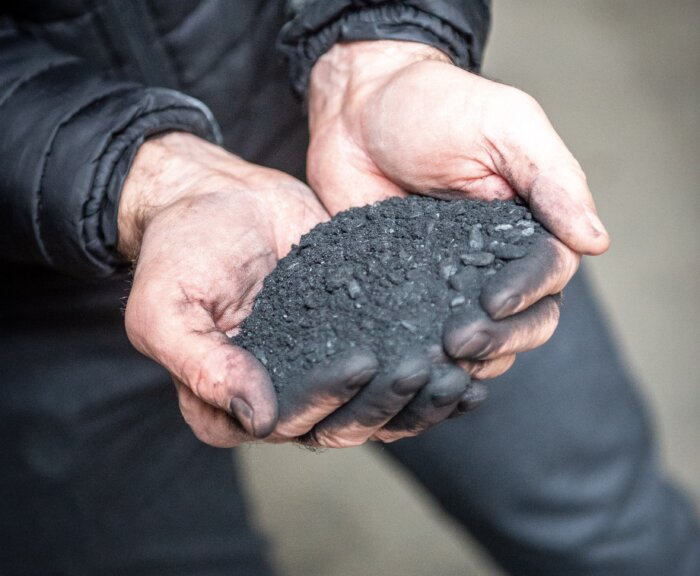
Healthy soils are the foundation of stable agriculture. They store water, bind nutrients, and help plants remain productive even under challenging weather conditions. This was precisely the focus of the webinar "Biochar in Agriculture," which WOERLE organized in cooperation with the Austrian Association for Agricultural Engineering and Rural Development (ÖKL, www.oekl.at). The webinar centered on how biochar can be used effectively on farms and what contribution it can make to soil structure, nutrient balance, and management practices.
Biochar is already used in a variety of ways in agriculture. It can bind nutrients, reduce odors, and minimize nutrient losses. Its use in combination with organic fertilizers such as manure or slurry is particularly interesting. This creates cycles that better retain existing resources on the farm and strengthen the soil in the long term. The CO₂ stored in the biochar2 It remains in the ground long-term and can no longer harm the climate.
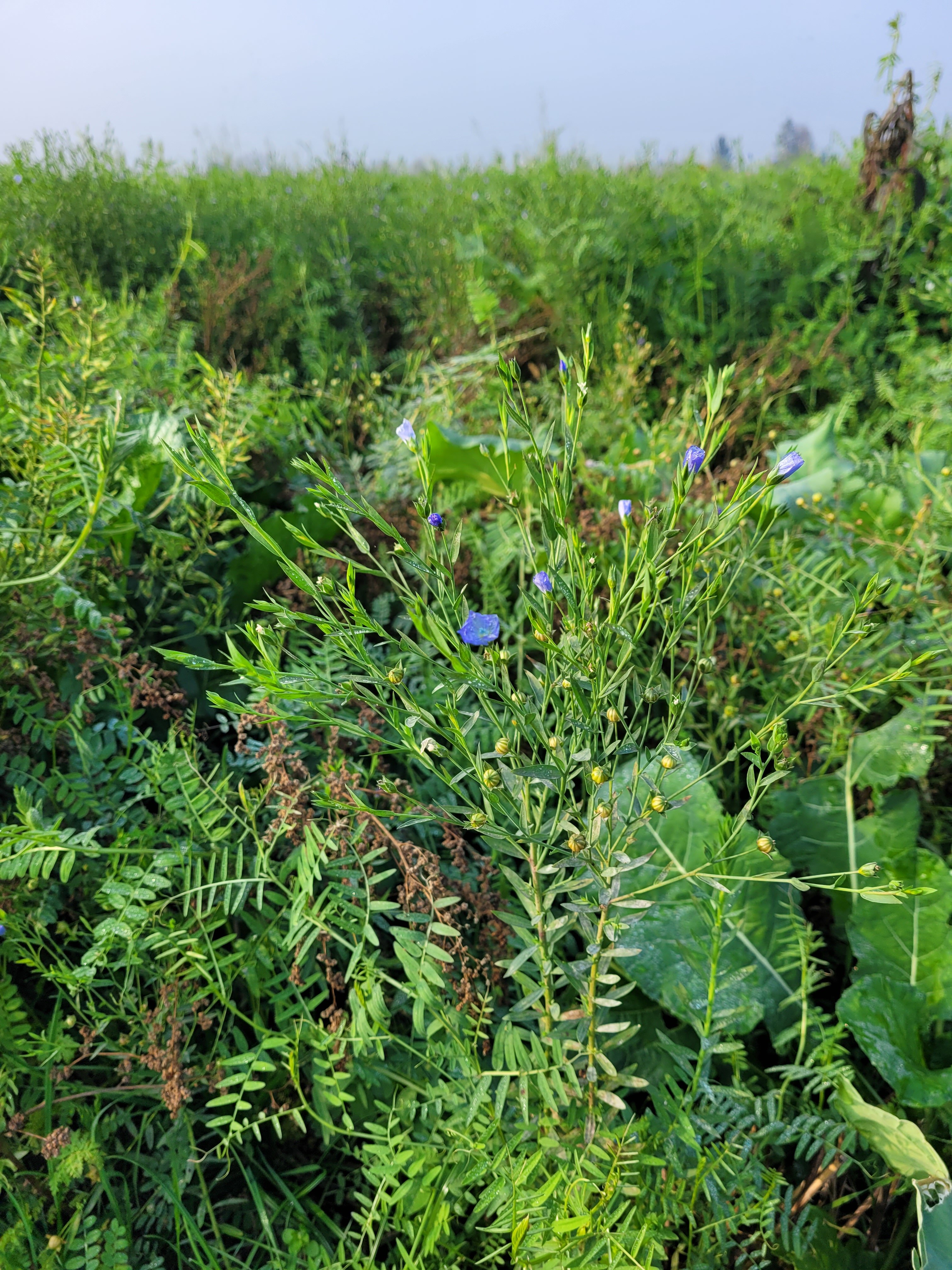
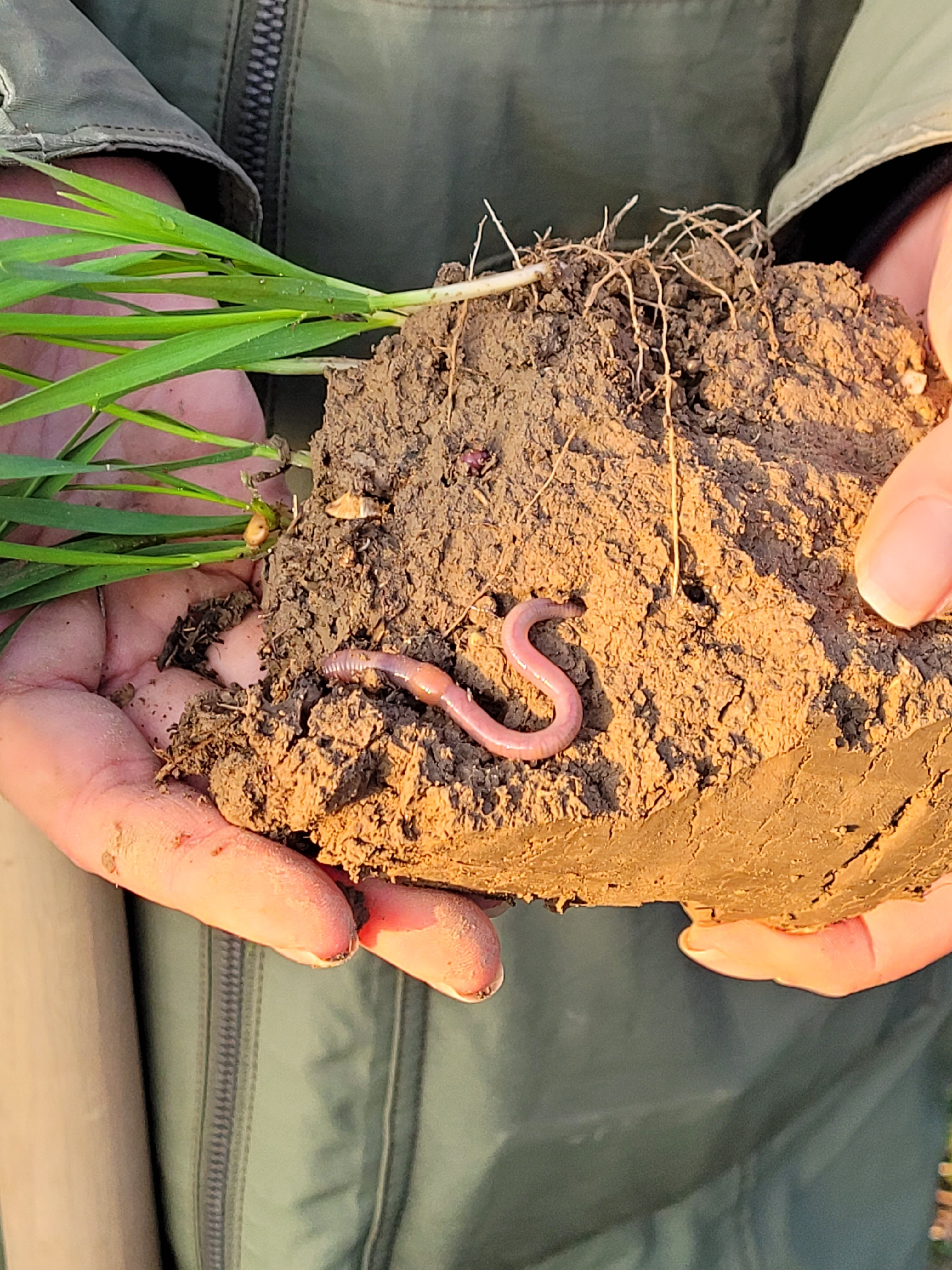
A key focus of the webinar was the effect of biochar in the soil. When applied correctly, it can contribute to and improve soil fertility. This is evident, among other things, in a looser soil structure, better water absorption, and increased water retention capacity. This knowledge is particularly important in years with dry periods or fluctuating weather conditions. Incidentally, the indigenous peoples of the Amazon were already aware of the positive effects of biochar (Terra Preta) hundreds of years ago!
For agricultural businesses, this is a topic with direct practical relevance. Resilient soil not only affects plant growth but also yield stability. The webinar therefore combined scientific principles with concrete practical experience.
With DI Dr. Gerhard Soja from the University of Natural Resources and Life Sciences, Vienna and Tobias Ilg from the biomass farm Two perspectives came together that complemented each other effectively. On the one hand, the discussion focused on the production, properties, and effects of biochar. On the other hand, the question arose as to how this knowledge could be implemented in everyday agricultural practice.
The webinar demonstrated WOERLE's approach to knowledge transfer. It involves collaborating with partner farms to address topics relevant to daily operations while simultaneously raising awareness of soil, cycles, and long-term management. This is precisely the intersection where WOERLE's approach also focuses. WOERLE CONTINUES TO WORK