
What we – besides the best cheese –
what else to do
Anyone who truly wants to make a difference must take action and implement concrete steps. We are involved in numerous projects that we initiate, personally oversee, and develop together. Examples include our "CO₂ Bonus" project and our passion project, "Habitats for Biodiversity"—both with tangible results right here in Austria.1
We support biodiversity in every way.
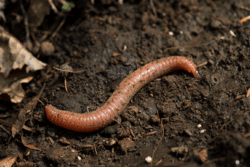
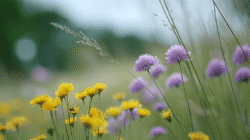
Species diversity is a subset of biodiversity.
Biodiversity means the diversity of life: the variety of plants, animals, and habitats on Earth. It regulates and stabilizes the life systems of our planet: food, health, energy, water, and air. Biodiversity acts like nature's immune system. We want to contribute to its preservation.
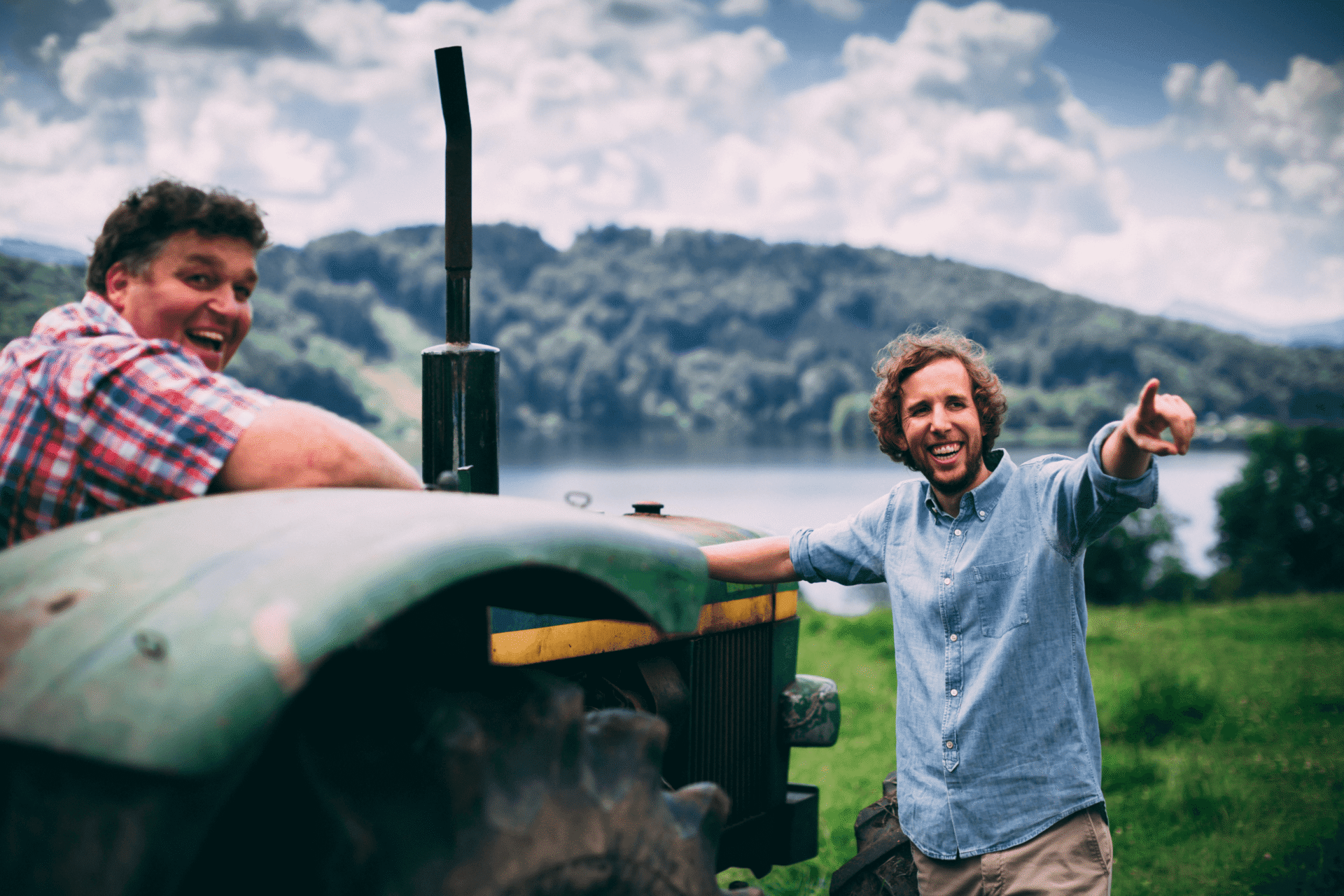
Heroes in rubber boots
Our farmers make a vital contribution to biodiversity. They demonstrate daily how agriculture and biodiversity can coexist! Every farm has areas, nooks, and crannies that are less suitable for agricultural use: the old tree behind the house, barren verges, or overgrown embankments. We are committed to preserving these natural habitats. Together with our farmers, we are working towards creating a biodiversity-rich agricultural region.2
Every little creature
his little territory.
But there is much more to be done: As a large hay milk region in Austria, we want to contribute to the further development of Flachgau and Mondseeland as a region characterized by agricultural biodiversity.
Our goal: 5.000 habitats by 2040 – as a contribution to biodiversity in our region and beyond!3
Biodiversity
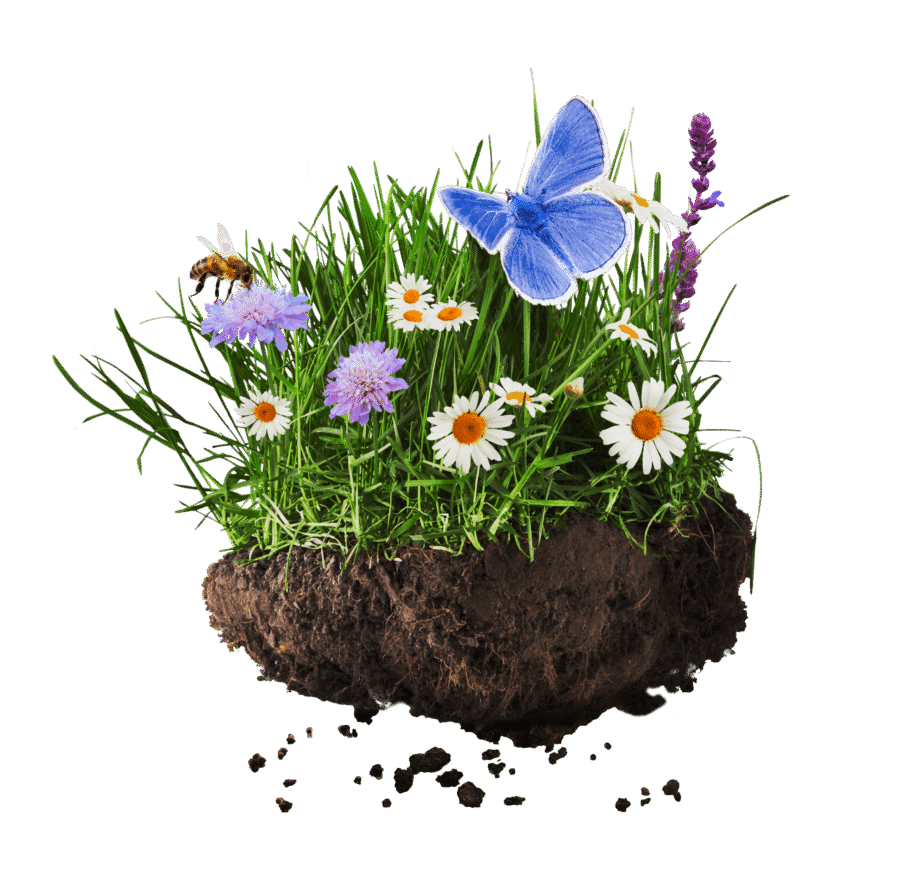
Respect, insect!
Wild bees, spiders, ground beetles… Insects aren't always among the most popular creatures in the animal kingdom. Unfairly so! In Austria, there are approximately 40.000 insect species – and many of them perform vital functions. Each one is a cog in the machine that keeps our ecosystem running. Insects are a food source for many other animals. They pollinate plants and ensure human nutrition.4
75% of the world's most important food crops need pollination by various insects!5
short-haul flights
Even the smallest insects can only cover short distances and require nearby habitats. With these biodiversity habitats, we support a network of closely spaced "islands." Over 2.300 such habitats already exist (as of September 2026) – the goal is 5.000 by 2040 to facilitate better-connected "island hopping" for insects.6
Hay milk: Milk and Flower Power
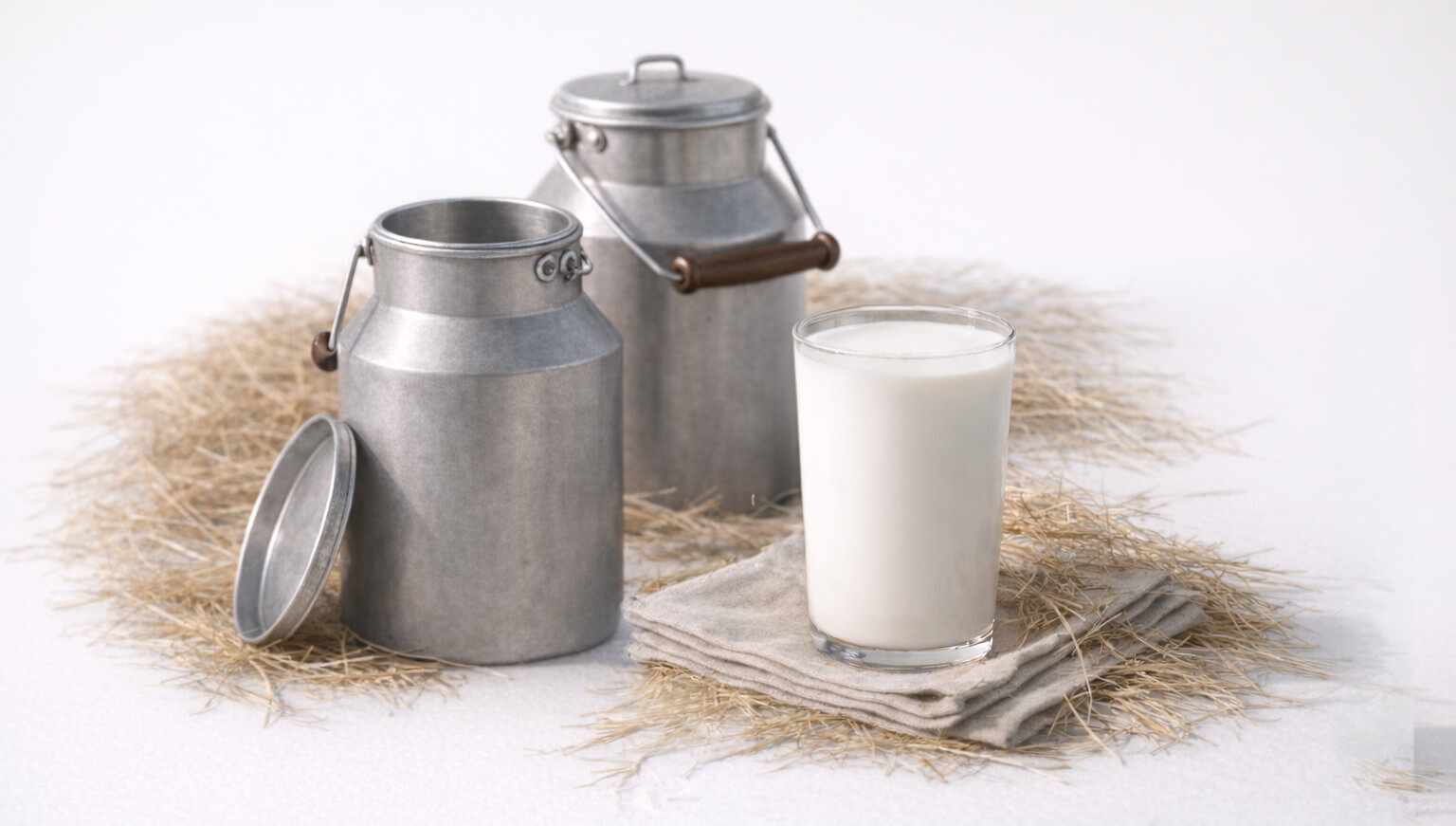
Since 1889, the majority of our many cheese varieties have been made from hay milk. Our founder, Johann Baptist Woerle, already knew that the best milk for delicious cheese comes from cows that graze on fresh meadow herbs in the summer and sun-dried hay in the winter. We have adhered to this principle to this day – for five generations.
If the cows are doing well, the milk tastes better too.
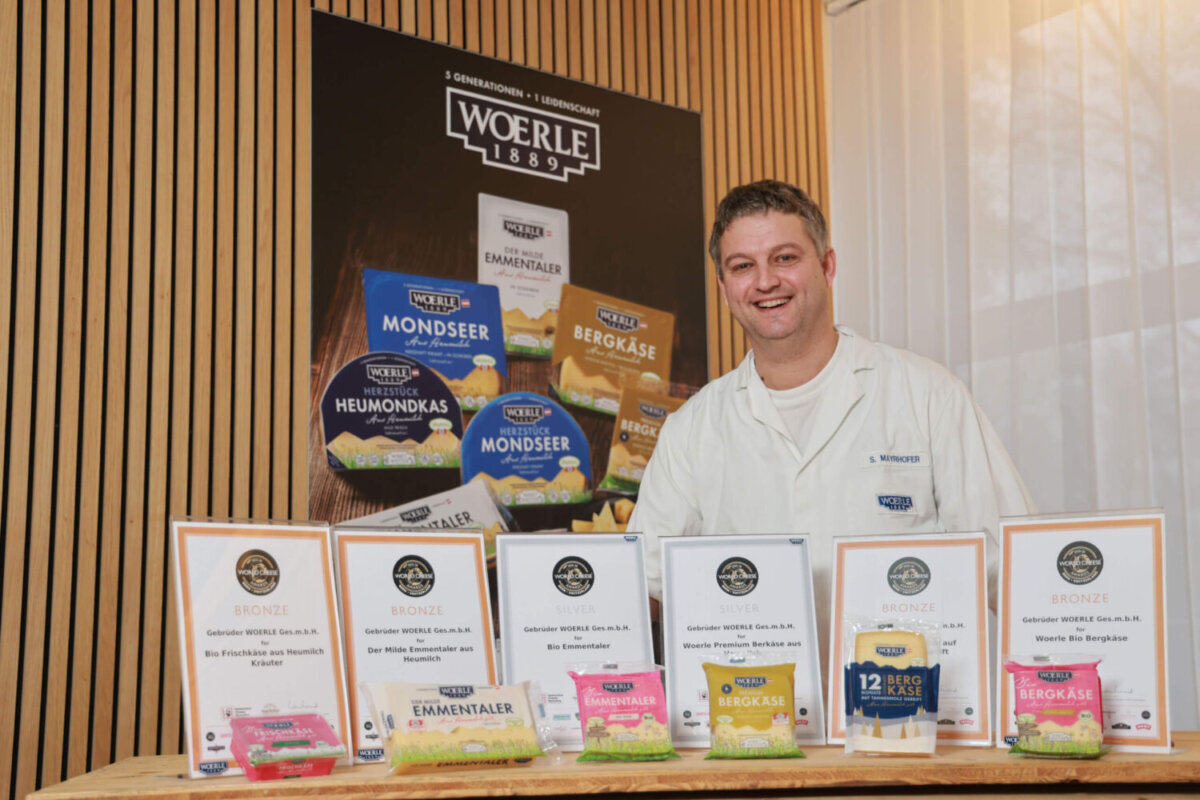
Our hay milk cows have a varied diet and are guaranteed free of silage or imported soy. Hay milk contains valuable nutrients and is the only milk variety to carry the EU quality seal "gtS" – guaranteed traditional specialty.7 The journey of hay milk from the farm to the finished cheese is accompanied by countless quality controls. In addition to its own controls, WOERLE also relies on external laboratories and partners who verify compliance with the strict standards.8 This is how we maintain high quality standards and regularly receive awards.
The best milk quality can be tasted.
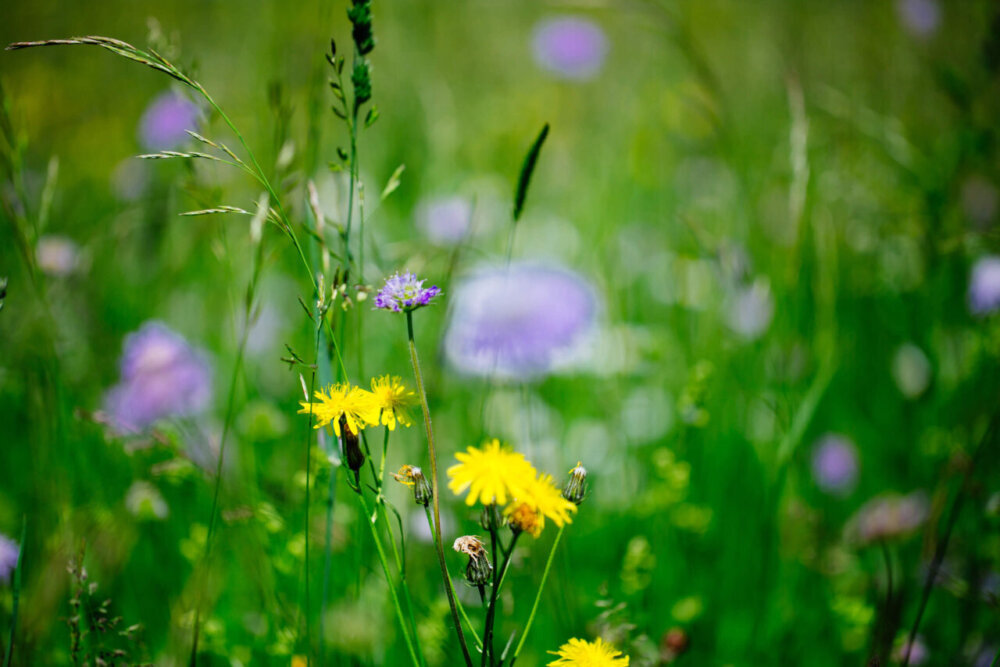
And here the circle closes. Our hay meadows provide habitats for biodiversity. Many grasses and herbs grow here – not only do the cows love them, but they are also valuable for insects and crucial for the aroma of our cheese specialties.
That's why we are actively committed to preserving and expanding natural habitats. At WOERLE, we truly live by the motto "Responsible business and production"!
On first-name terms with the cow: Ciao Bella!
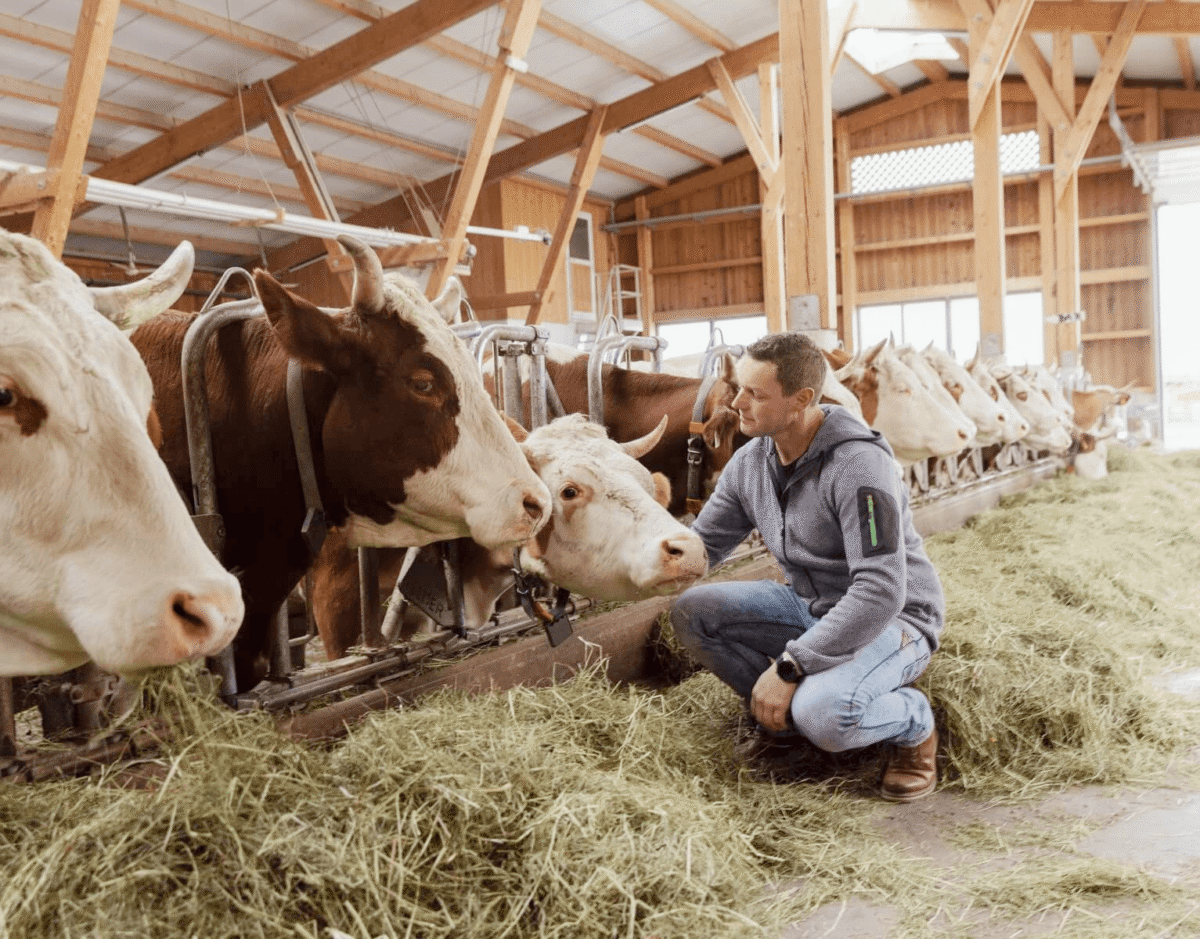
On average, only about 25 cows live there.9 on our farmers' farms – this gives them enough time for personal care of the animals.
Our farmers know each cow by name, pay attention to their preferences, and ensure they have plenty of space to roam, sunshine, and fresh air. Our dairy cows don't have to perform at their peak.
If the cows are doing well, the milk tastes better too.
Our hay milk cows have a varied diet and are guaranteed free of silage or imported soy. Hay milk contains valuable nutrients and is the only milk variety to carry the EU quality seal "gtS" – guaranteed traditional specialty.7 The journey of hay milk from the farm to the finished cheese is accompanied by countless quality controls. In addition to its own controls, WOERLE also relies on external laboratories and partners who verify compliance with the strict standards.8 This is how we maintain high quality standards and regularly receive awards.
On first-name terms with the cow: Ciao Bella!
On average, only about 25 cows live there.9 on our farmers' farms – this gives them enough time for personal care of the animals.
Our farmers know each cow by name, pay attention to their preferences, and ensure they have plenty of space to roam, sunshine, and fresh air. Our dairy cows don't have to perform at their peak.
The best milk quality can be tasted.
And here the circle closes. Our hay meadows provide habitats for biodiversity. Many grasses and herbs grow here – not only do the cows love them, but they are also valuable for insects and crucial for the aroma of our cheese specialties.
That's why we are actively committed to preserving and expanding natural habitats. At WOERLE, we truly live by the motto "Responsible business and production"!
Careful attitude
Feeding
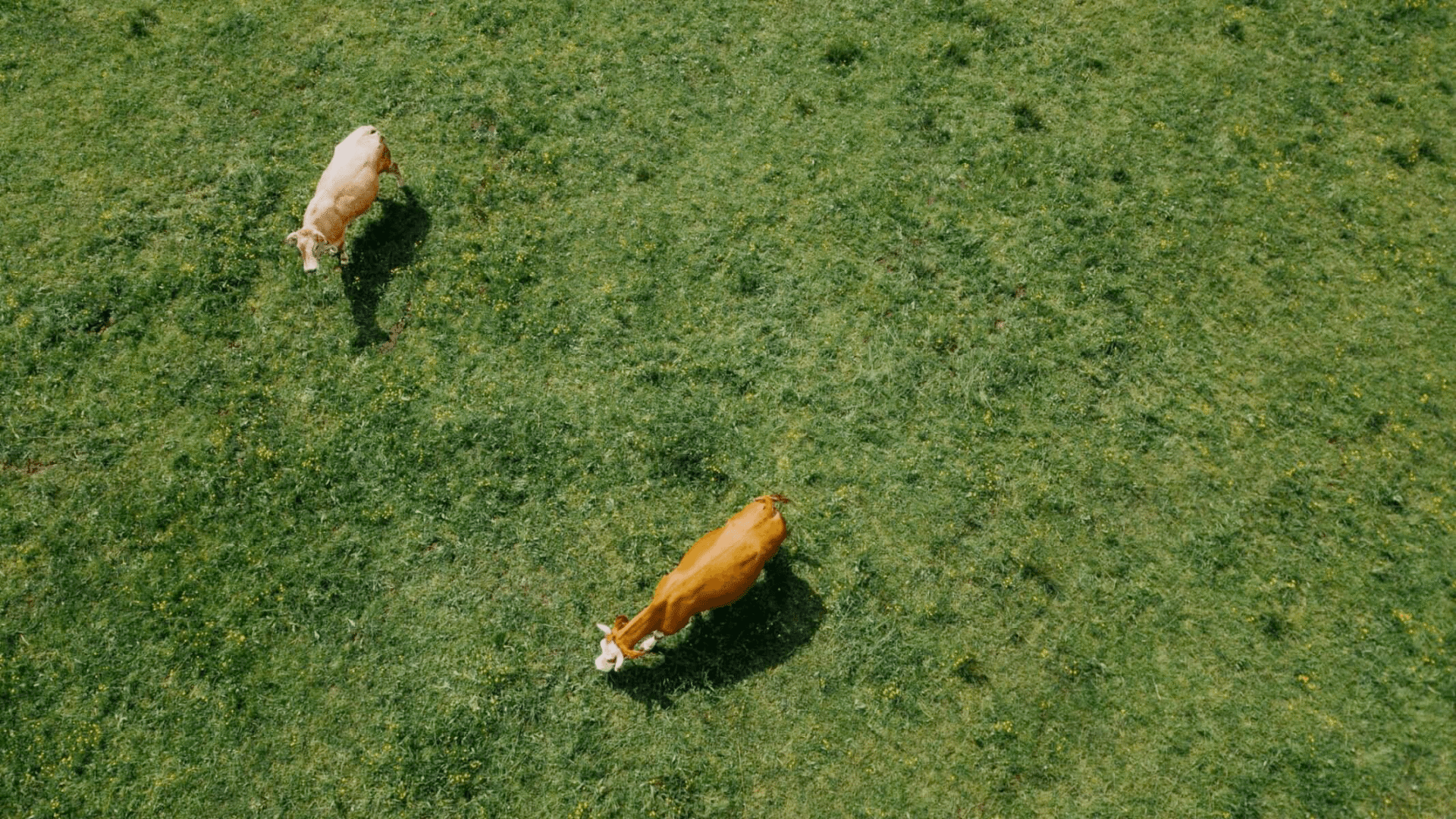
Fresh grasses and herbs in summer, fragrant hay in winter. That's all you need!
exercise
At least 120 days a year on pasture, in an exercise yard or loose housing – permanent tethering is prohibited.
Cow Welfare Initiative
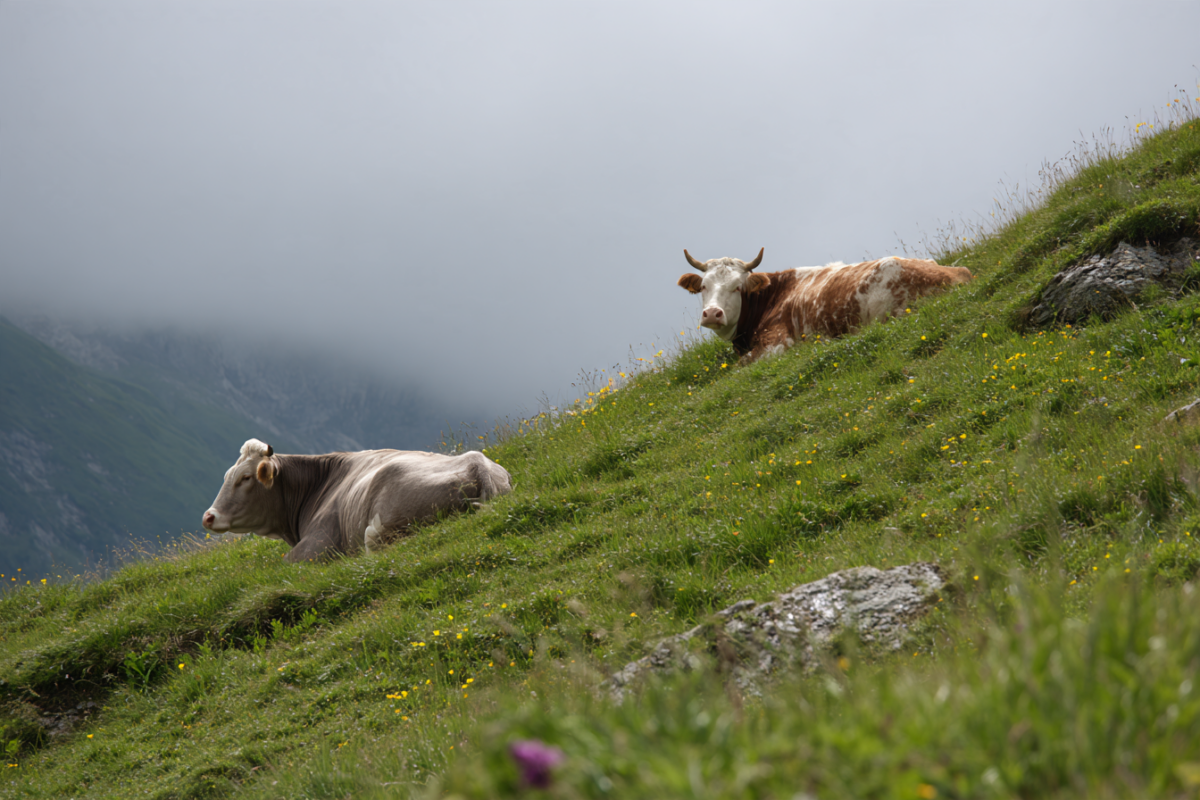
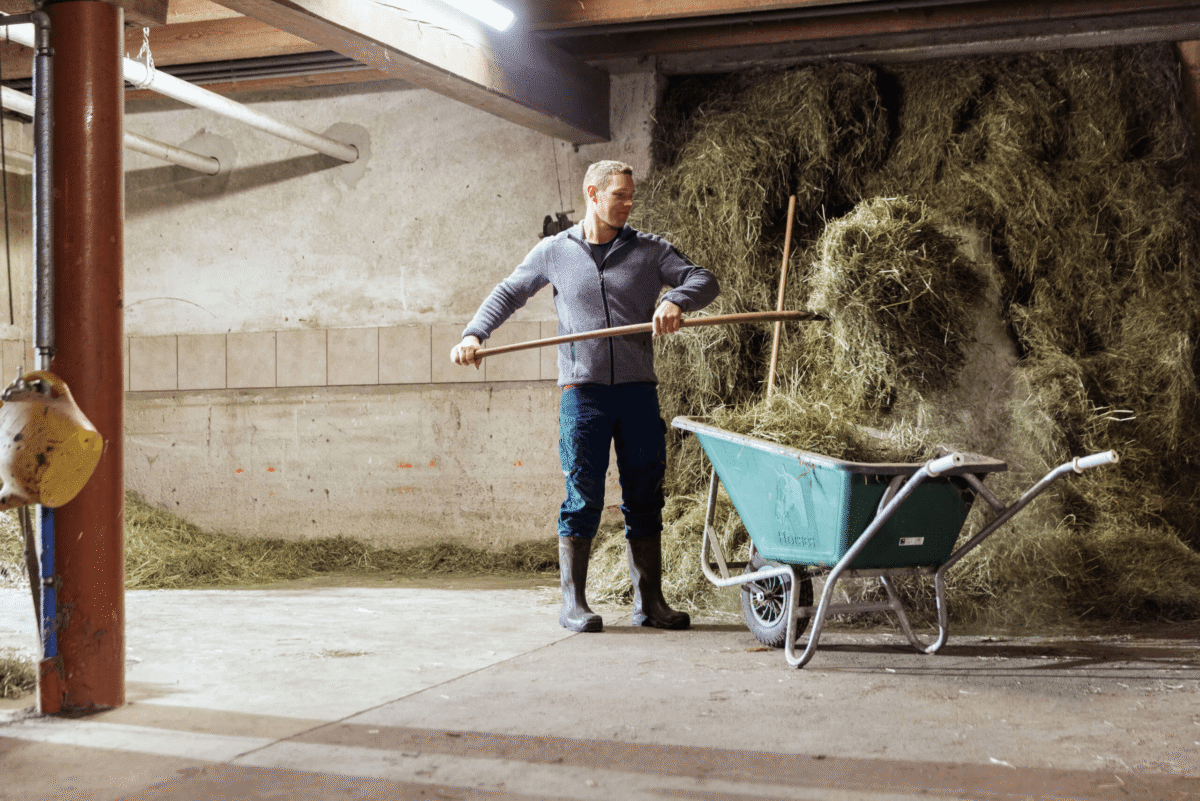
Our farmers are deeply committed to the welfare of their animals. The special relationship of trust fosters the animals' well-being. This is important, for example, during veterinary visits, to avoid stressing the cows. Our farmers take care of animal health and also use homeopathy for prevention and early detection.
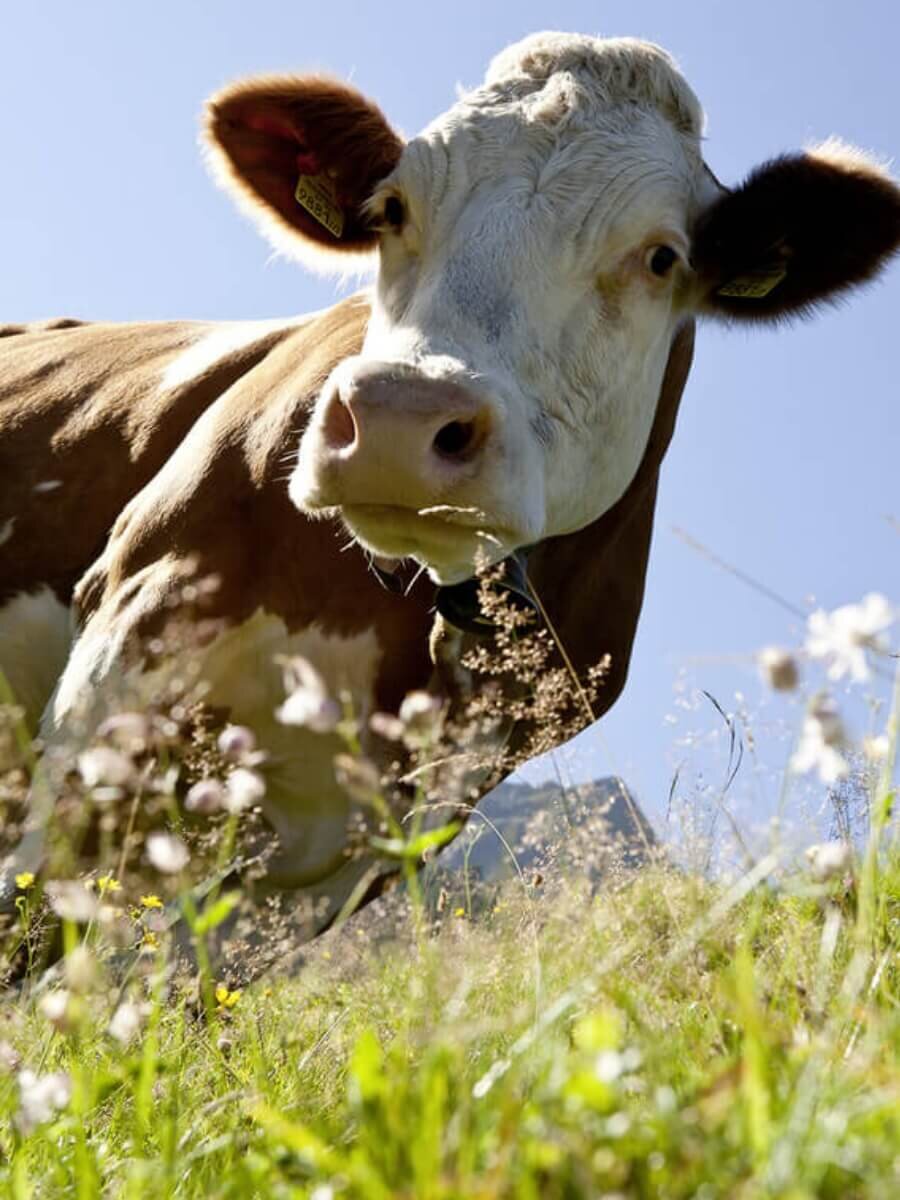
The hay milk cow – a true foodie
Cows are connoisseurs. Each day they eat up to 100 kg of grass, drink up to 120 liters of water, and spend around five to six hours grazing. As ruminants, cows first swallow the grass or hay quickly, almost without chewing. They then spend another eight to ten hours – mostly lying down – contentedly ruminating. This natural rhythm is the basis for the cow's well-being – and for our cheese specialties.
Making a difference together –
reduce CO₂
WOERLE supports climate protection in the region through various projects. Our CO₂ premium supports measures that aim to reduce the carbon footprint of our cheese and lower local emissions. Furthermore, we promote value creation in the region for the region.10
What does that mean in concrete terms?
At WOERLE in Henndorf, we use solar power to generate electricity and rainwater to cool our buildings. Our fresh milk comes from farms within a 50 km radius. We reward our farmers with up to €50 gross for every ton of CO₂ saved.10
Energy efficiency and a more climate-resilient economy
We support our approximately 400 dairy farmers with a CO₂ premium to implement measures on their own farms that reduce emissions and help them adapt to changing weather and climate conditions.10
Every ton a joy! WOERLE rewards every ton of CO₂ saved.
We want to be active within our own value chain in the region. WOERLE pays participating companies a bonus of up to €50 for every ton of CO₂ saved.10 This is our contribution on the long road to a sustainable future for our farming families and for our best milk.
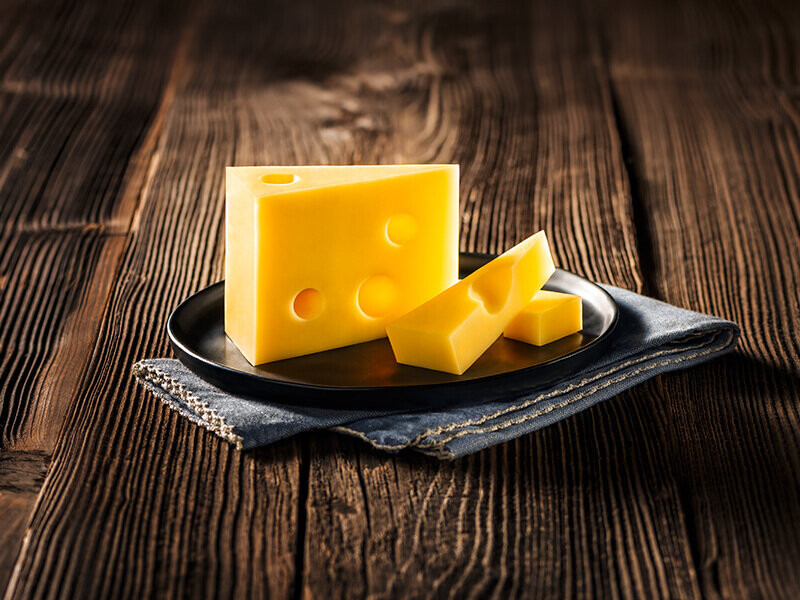
Cheese and its footprint
Our goal: Together with our dairy farmers, we want to reduce CO₂ emissions annually.2-Reduce the footprint of our WOERLE cheese specialties!10
The fact remains, however, that cows emit climate-damaging methane during digestion. In our CO₂e balance, these digestive gases account for the largest part of our milk's climate footprint. The energy efficiency measures in the "CO₂ Premium" project currently affect around 0,1% of WOERLE's total CO₂e footprint.
We don't promise climate-neutral cheese – and that's not our goal, because we respect the natural environment of our cows. Together with our farming families, we work year after year on measures to reduce greenhouse gas emissions where it is technically feasible and economically viable.
Every well-implemented measure is a step in the right direction. And we are very proud of every verifiable ton of CO₂e saved!10
The path to the WOERLE CO₂ bonus:
The process begins with the farming family submitting their planned measures. Together with external experts, the proposals are evaluated and developed. If a measure meets the established criteria, the premium is paid out. Implementation is personally monitored and documented with supporting evidence.
Award-winning measures:
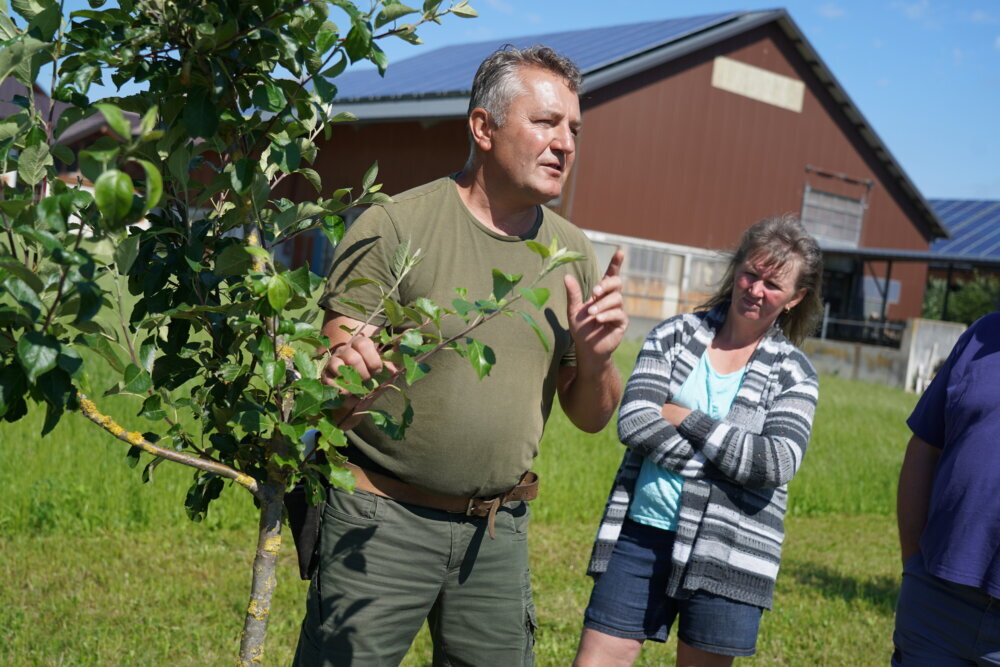
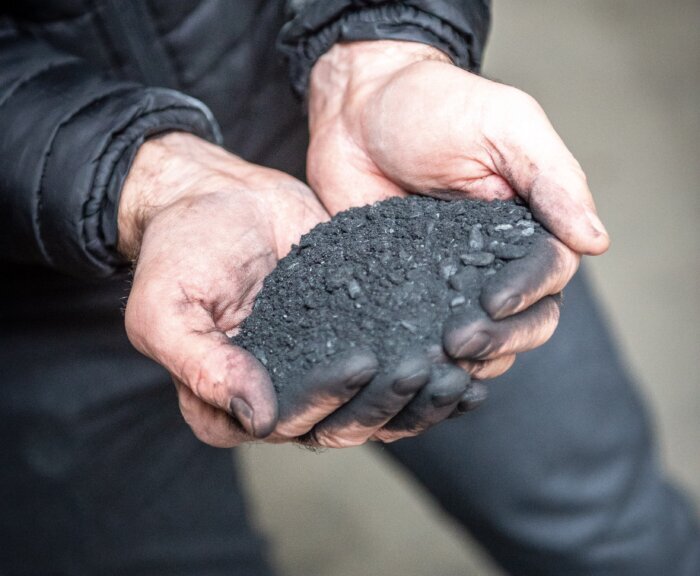
These include, for example, milk cooling systems with lower energy requirements compared to previous systems, heat recovery projects, electric farm tractors, thermal insulation with suitable insulating materials, the planting of fruit trees on the cow pasture, the planting of hedges, the use of biochar in manure management, the optimization of heating systems and other tested measures from the areas of energy, farm technology and natural environment.10
Current balance sheet.
What has happened since the project started in 2021? The response has been great, and the dairy farmers are highly motivated!
Our savings counter shows how many tons of CO₂ have been saved so far.
Look,
how it works.
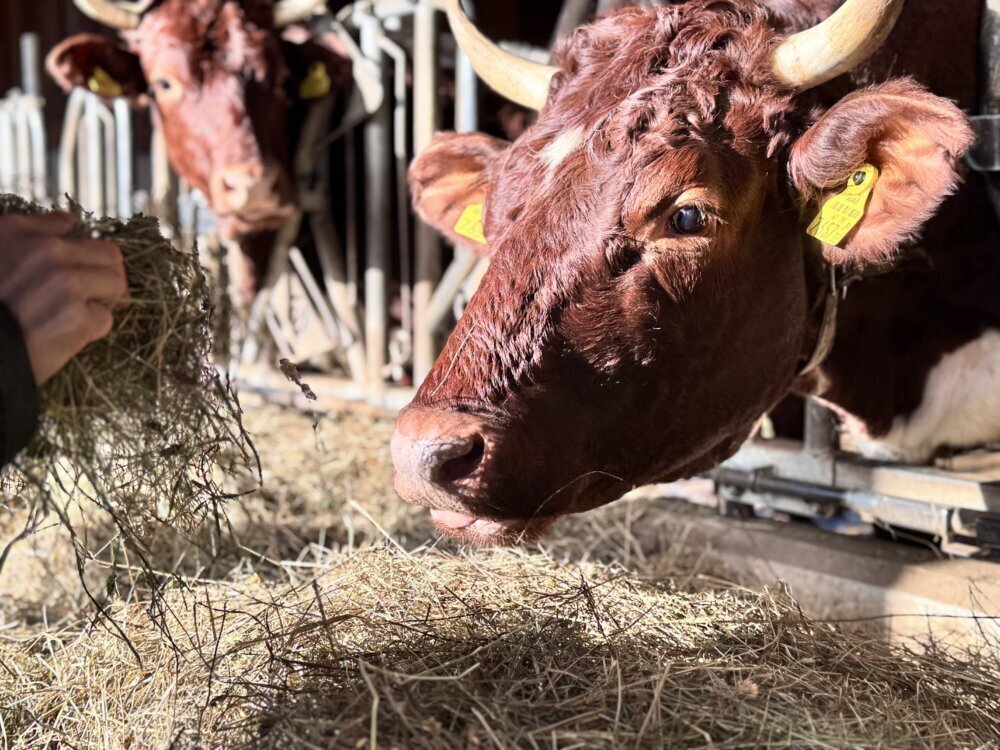
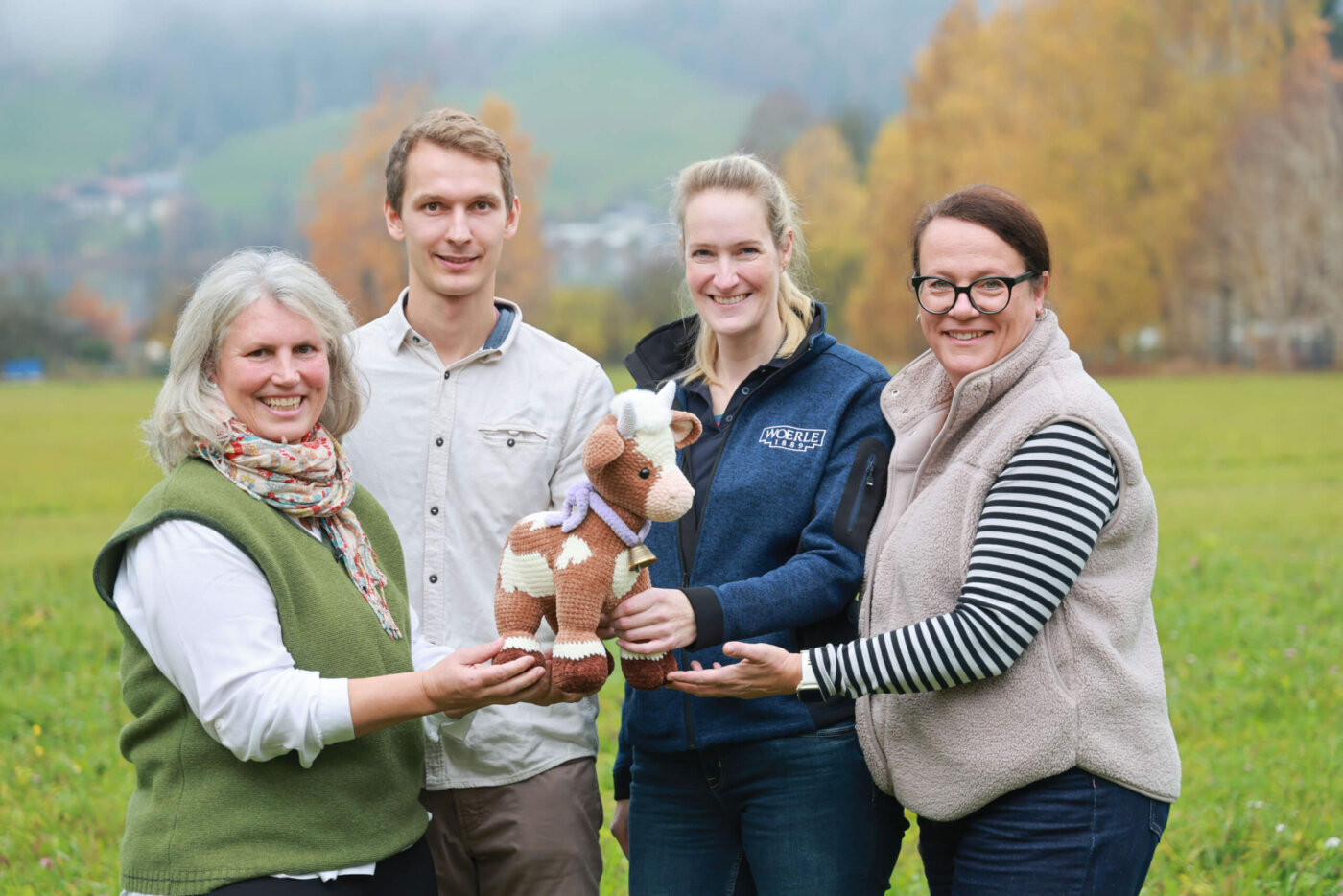
Many measures have already been implemented – and more are being added all the time! Here are a few examples. Where possible, we conducted on-site visits by e-bike. We're working hard to achieve our goals – literally!
Good prospects for cheeses with a smaller footprint…
Climate protection measures – both within the company and on the farm – are investments that only pay off after a longer period. But it's worth it. When the CO₂ footprint of WOERLE cheese specialties decreases, the work we do on these quality products becomes even more important to us.
Our cheese specialties are a small part of the answer to the increasing demand for products with a lower CO₂ footprint!10
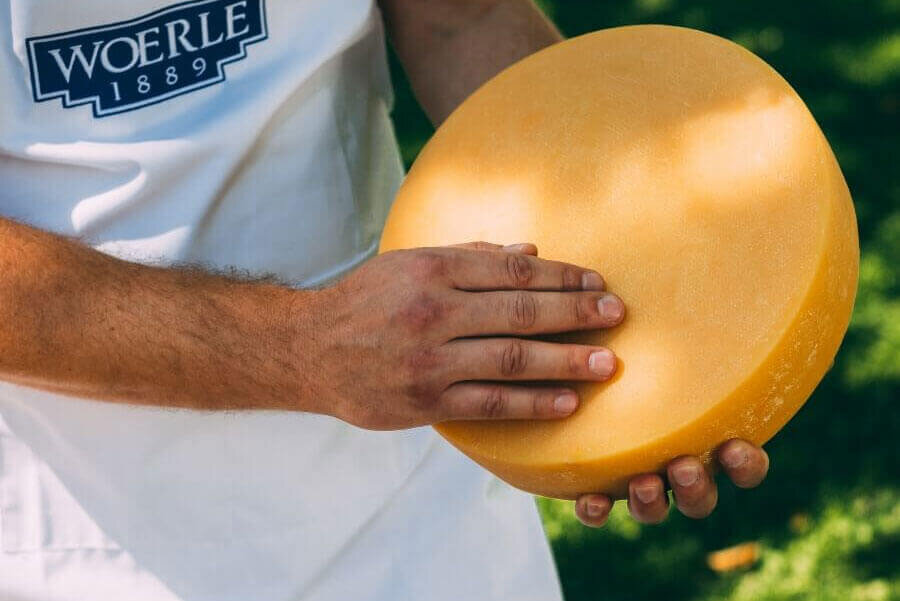
…and a more resilient agriculture
We continuously conduct educational and research collaborations with HBLA Ursprung, under the direction of Dr. Konrad Steiner, the scientific advisor of the WOERLE sustainability projects.
To raise awareness and sensitivity regarding climate protection, we regularly organize lectures and workshops.11
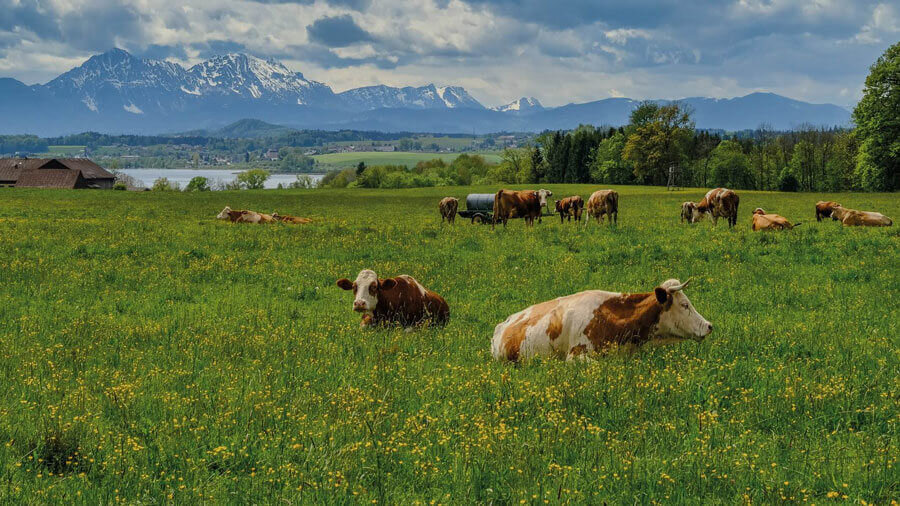
Good prospects for cheeses with a smaller footprint…
Climate protection measures – both within the company and on the farm – are investments that only pay off after a longer period. But it's worth it. When the CO₂ footprint of WOERLE cheese specialties decreases, the work we do on these quality products becomes even more important to us.
Our cheese specialties are a small part of the answer to the increasing demand for products with a lower CO₂ footprint!10
…and a more resilient agriculture
We continuously conduct educational and research collaborations with HBLA Ursprung, under the direction of Dr. Konrad Steiner, the scientific advisor of the WOERLE sustainability projects.
To raise awareness and sensitivity regarding climate protection, we regularly organize lectures and workshops.11
1 = see Sustainability report (pages 26-33, 71, 76)(; Effect of land‑use intensity and adjacent semi‑natural habitats on wild and honey bees of meadows (last accessed 09/2026)
2 = see Sustainability report (pages 30-33, 76); Effect of land‑use intensity and adjacent semi‑natural habitats on wild and honey bees of meadows (last accessed 09/2026)
3 = see Sustainability report (pages 30-33, 76)
4 = Species in Numbers and Insects in Austria (all last accessed 09/2026)
5 = Global Action on Pollination Services for Sustainable Agriculture (last accessed 09/2026)
6 = see Sustainability report (pages 30-33, 76)
7 = Project: Fatty acid spectrum of hay milk and hay milk products with a focus on CLA and Omega-3 fatty acids and EU quality label gtS (all last accessed 09/2026)
8 = Our certificates
9 = see Sustainability report (page 56)
10 = see Sustainability report (pages 26-29, 71)
11 = see Sustainability report (pages 58-61)